Beyond Borders: Player Profiles Driving Customized Table Game Rewards in Digital Casinos
Written by Carlo Neumann · Oct 14, 2026
Beyond Borders: Player Profiles Driving Customized Table Game Rewards in Digital Casinos
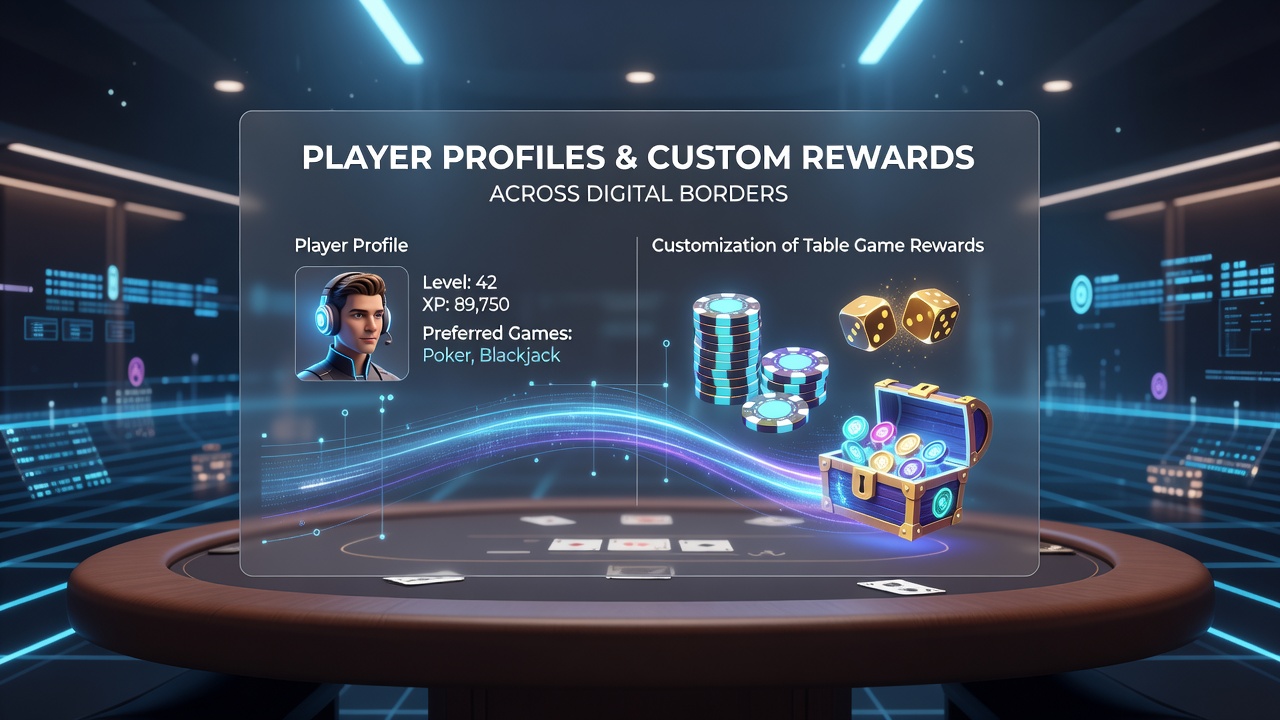
Player profiles form the backbone of reward customization in online table games as operators collect behavioral data from multiple jurisdictions and then segment users according to play frequency, bet size, and session duration. Data from regulated markets shows that platforms adjust bonus structures by combining location signals with individual patterns, which allows offers to vary sharply even within the same game type. Researchers at the University of Nevada, Las Vegas have documented how these profiles evolve over months of tracked activity, and figures reveal that players in one state often receive different reward tiers than those in another despite similar game choices.
Data Collection Across Jurisdictions
Operators gather information through account registration, game logs, and device identifiers, then map that data against regulatory requirements in each region. Pennsylvania, Michigan, and New Jersey maintain separate reporting standards, which forces platforms to maintain distinct profile layers so that a single user account can trigger different incentives depending on the detected IP address and licensing framework. The New Jersey Division of Gaming Enforcement requires detailed records of promotional targeting, and similar rules in other states create a patchwork where one profile might unlock deposit matches in one location while receiving free-play credits in another.
Behavioral analytics track metrics such as average wager per hand, frequency of table switches, and response rates to previous offers, then feed those variables into segmentation algorithms. Observers note that these systems update profiles in near real time, allowing operators to shift a player from one reward tier to another within a single session when play patterns change. Studies indicate that cross-border data flows remain limited by privacy statutes, yet aggregated insights still permit broad personalization without transferring raw individual records between jurisdictions.
Segmentation Tactics and Reward Structures
Once profiles are built, platforms apply rules that match offer types to player segments. High-frequency users in one jurisdiction might receive reload bonuses tied to specific table minimums, whereas lower-volume players in another region see time-limited credits that encourage extended sessions. These differences arise because each market imposes unique tax rates, player-protection rules, and advertising restrictions that operators must embed into their customization logic.
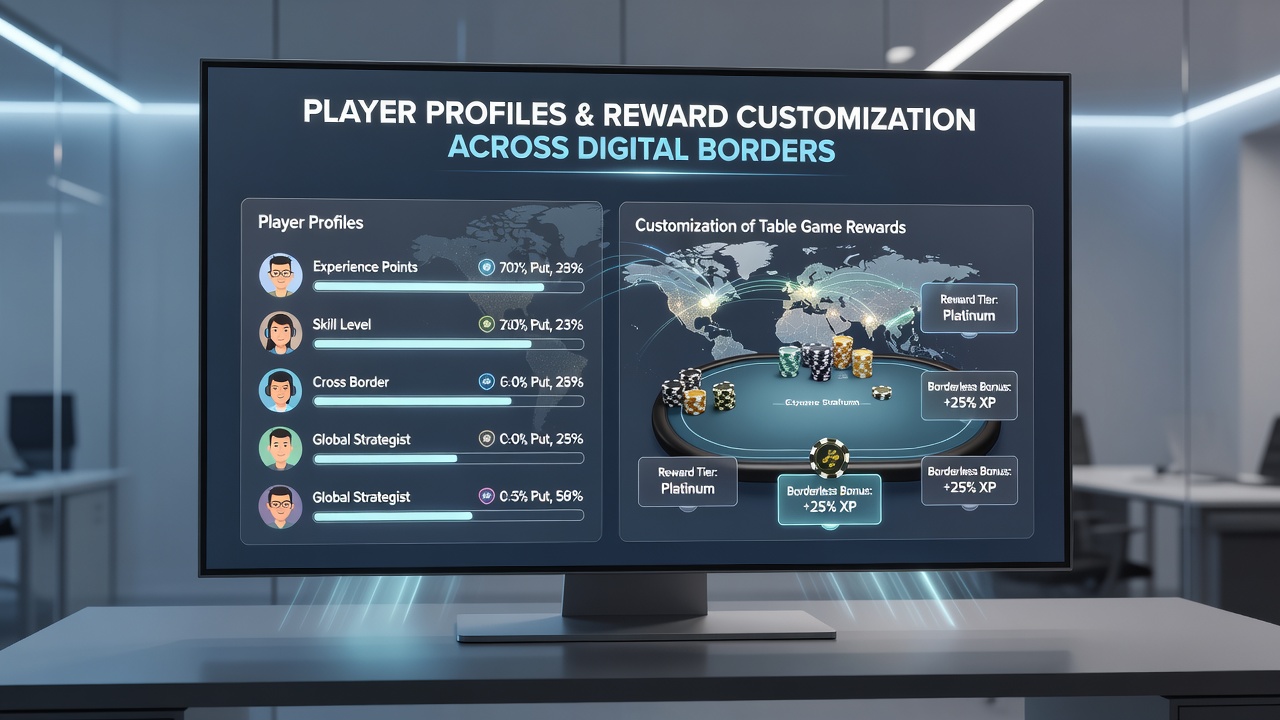
Device type further refines the segmentation, since mobile sessions often display shorter bonus windows than desktop play. Research indicates that operators adjust reward expiration dates and wagering multipliers based on detected hardware, creating additional layers of variation even when the underlying player profile remains constant. Take one case where experts found that users accessing platforms from tablets received loyalty points at a different accrual rate than smartphone players in the same regulatory area, a distinction driven by session-length data rather than any regulatory mandate.
October 2026 Regulatory Shifts
By October 2026 several states plan to implement updated data-sharing protocols that will require operators to disclose more granular details about how profiles influence promotional targeting. These changes build on existing frameworks and aim to increase transparency without restricting the ability to customize offers. Platforms have already begun testing new profile architectures that isolate jurisdiction-specific variables, ensuring compliance while preserving the capacity to deliver differentiated rewards across borders.
Industry reports show that operators active in multiple markets are investing in modular systems capable of applying different rule sets simultaneously. This approach reduces the risk of cross-jurisdictional conflicts and allows a single backend to serve varied player bases without creating separate databases for each region.
Conclusion
Player profiles continue to serve as the primary mechanism through which table game rewards are tailored across digital borders, with data collection, segmentation algorithms, and regulatory compliance shaping every offer. As markets evolve through 2026, the technical infrastructure supporting these profiles will determine how precisely operators can match incentives to individual patterns while respecting geographic boundaries.